Human Perception Time
What's driving our decision-making?

The Route 24 Roadmap
If you’re new here, welcome! If you’ve been here since day one, thanks for showing up week after week! My name is Sam Reetz and I’m on a mission to help restore public trust. This is a space where I look closer at moments of global and national significance to show you how cycles of misinformation and disinformation disorient communities.
Probable Cause is an XR civic education gaming experience that puts you in the driver’s seat to explore issues of public safety from community-centered perspectives. Route 24 is its companion newsletter that invites you to explore our creative process on the project as we build, deconstructing the real-world impact of policies and practices in transportation infrastructure, immigration reform, environmental justice, racial equity, and more to jumpstart public awareness and, in turn, mobilize narrative change.
Get up-to-speed on past issues of Driver’s Ed!
From the history of hysteria to the bro culture of podcasts, and the influence of affordability narratives, this Driver’s Ed series on decision science gives Route 24 readers a heightened sense of awareness, revealing how the tools and tactics in civic discourse, experiential storytelling, and emerging technology are inextricably linked and shape moral clarity.

Every week, two columns park in your inbox:
Driver’s Ed is a space to shift your gears on key policy debates and test drive people-powered solutions.
Scenic Route is a space to merge the lanes of immersive technologies, experiential storytelling, and community civics and help you find a better view.
Your follows, shares, and subscriptions help to keep this work going and reach the people the mainstream media often misses. For riders in a position to financially contribute, your dollars support the project team with the critical resources needed to iterate, travel, and scale.
Thank you for joining me on this road! Start your engines…
Photo Credit: Junipero Verbeke via Unsplash.

In This Issue (Tuesday, March 24th, 2026 — № 89):
Happy Spring, Road Warriors!
After spending a few months gearing up for strategic investment, this project team is ready to kick Route 24’s weekly circulation back into high gear. While I’ll still be the main writer behind each newsletter, I’ll be handing over a few issues every month to different members of the creative, technical, and impact teams to introduce you to our unique approach and allow me the space to focus on my operational responsibilities.
With this in mind, we’ve updated Route 24’s About and Navigators Circle pages, which I welcome you to explore further via the links here and in Route 24’s navigation bar. We’ll also be adjusting the permissions on Route 24’s archives beginning Tuesday, April 7th, with full access for a two-week window available on all new postings before a paywall is implemented. To maintain our belief in accessibility for Route 24’s readership, our most representative posts will remain free-to-all.
This week, I’m returning to the topic of decision science to steer readers away from the feeling of information overload and help contextualize the key drivers powering the American public’s patterns of decision-making. To better understand what motivates and encourages the general public to make better choices in daily life, I’ve condensed this empirical assessment into three categories: (1) social and political polarization, (2) economic incentives, and (3) data integrity. From algorithmic biases, and the history of hysteria to the bro culture of podcasts, and the influence of affordability narratives, this Driver’s Ed series demonstrates how the tools and tactics utilized in civic discourse, experiential storytelling, and emerging technology are inextricably linked and shape moral clarity.
As a “welcome back” limited-time offer and while we still have a functioning U.S. postal service, I’m sending the first 5 subscribers who leave a thoughtful comment on this post our mini zine on decision science (as shown above) in the mail.
Thank you, as always, for coming along for the ride!
Stay the course,
Sam
Sam Reetz, is a filmmaker, performer, and founder at Millennial Ethics, creating narrative solutions to complex issues.
Follow her work on Bluesky, Substack and Instagram.
Area of Effect
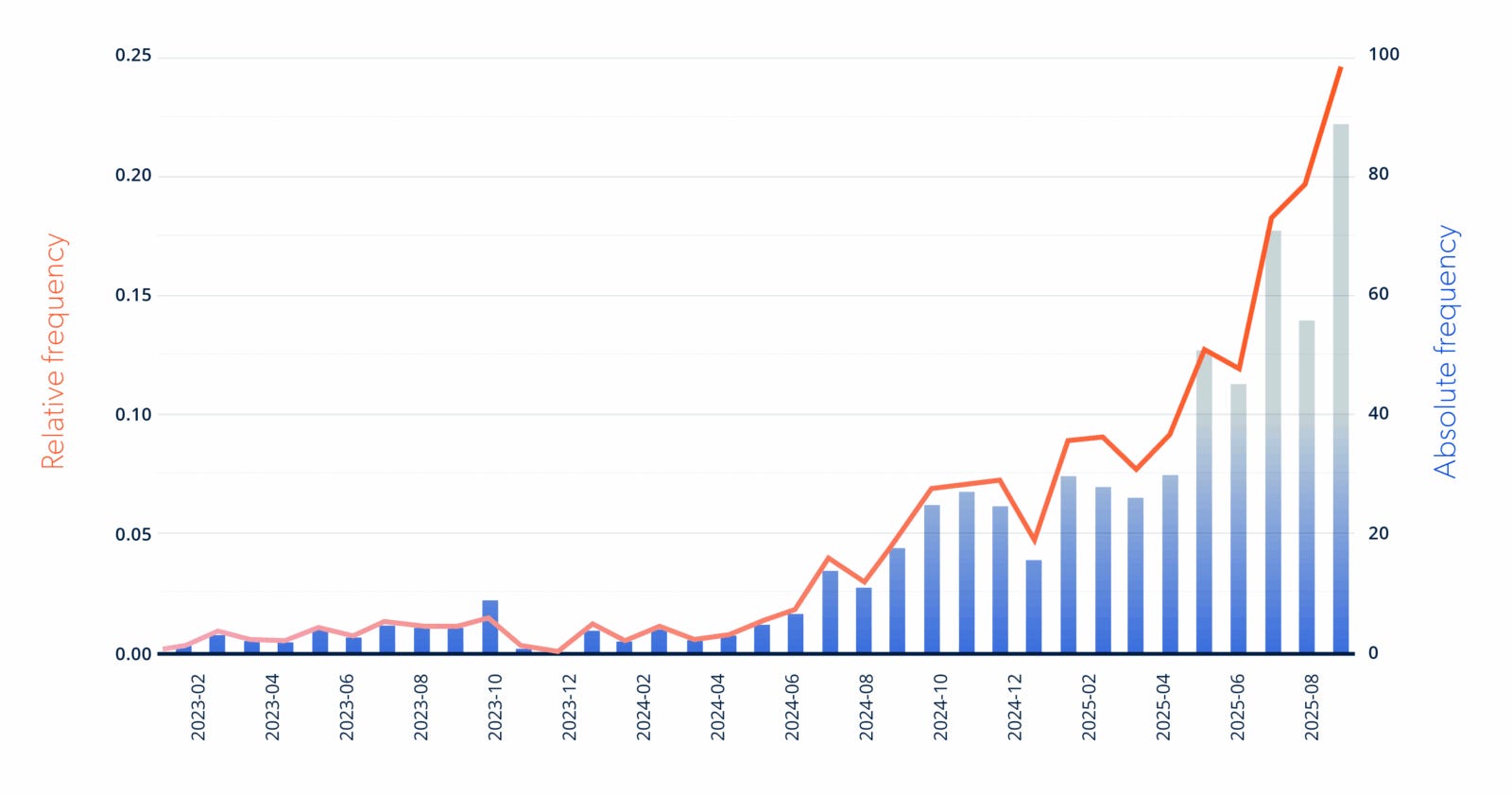
What’s popping up in your feed lately? For me, it’s been AI-generated wildlife encounters, the most concerning of which involved an elementary school-aged child hugging a full-grown alligator like a pet. These curated feeds and our reactions to them identify one of the key drivers of decision outcomes: algorithmic influence.
In fact, algorithmic influence — specifically rage bait — was coined the Oxford Word of the Year for 2025.
In weak AI systems, such as social media algorithms, AI is leveraged to predict an end user’s unique responses. This means that if you interacted with an AI-generated video in your social feed (yes, those videos of grocery shoppers dodging Siberian tigers by hopping in their car trunks are generative AI), it’s logged in your user preferences, and the probability of you encountering future videos by platform recommendation increases. While AI may offer a practical use case for addressing the accessibility gap in learning modules, it also raises serious ethical concerns around what end users across generations may perceive as factual. I like to think of it as AI spin (like AI slop, but more agenda-driven) and this Tom Toro cartoon offers a good visual for how our minds process these information distinctions.

Earlier today, I polled our audience (specifically those who parent K-12 students) on a recent article I’d seen in Education Week discussing the ethical concerns of incorporating ed tech into core curriculums. I’m curious about which aspects of ed tech most scare you as a parent - the uncertainty of a clear use case or student benefit, how personal information might be sourced, the lack of educator-centered technical training programs, the impact on students’ wellbeing, or something else. I’ve included the poll below and will keep it open for our subscribers to submit their thoughts during the week, sharing cumulative audience responses next issue.
Next stop: I’ll look closer at the intersections between the history of hysteria narratives and the bro culture of podcasts.
A special thank you to this community for tuning in to our Civic Learning Week event on Tuesday, March 17th. We appreciate your enthusiasm for our work. Sharing video highlights from the discussion and the Notes link you’re welcome to restack to help jumpstart the conversation.